🏀 When Winning Became Too Easy
There was a time when NBA championships felt earned. Teams drafted well, developed players, made smart trades, and slowly built contenders. Stars stayed with one team for most of their careers. Dynasties were built over years, not assembled in an offseason.
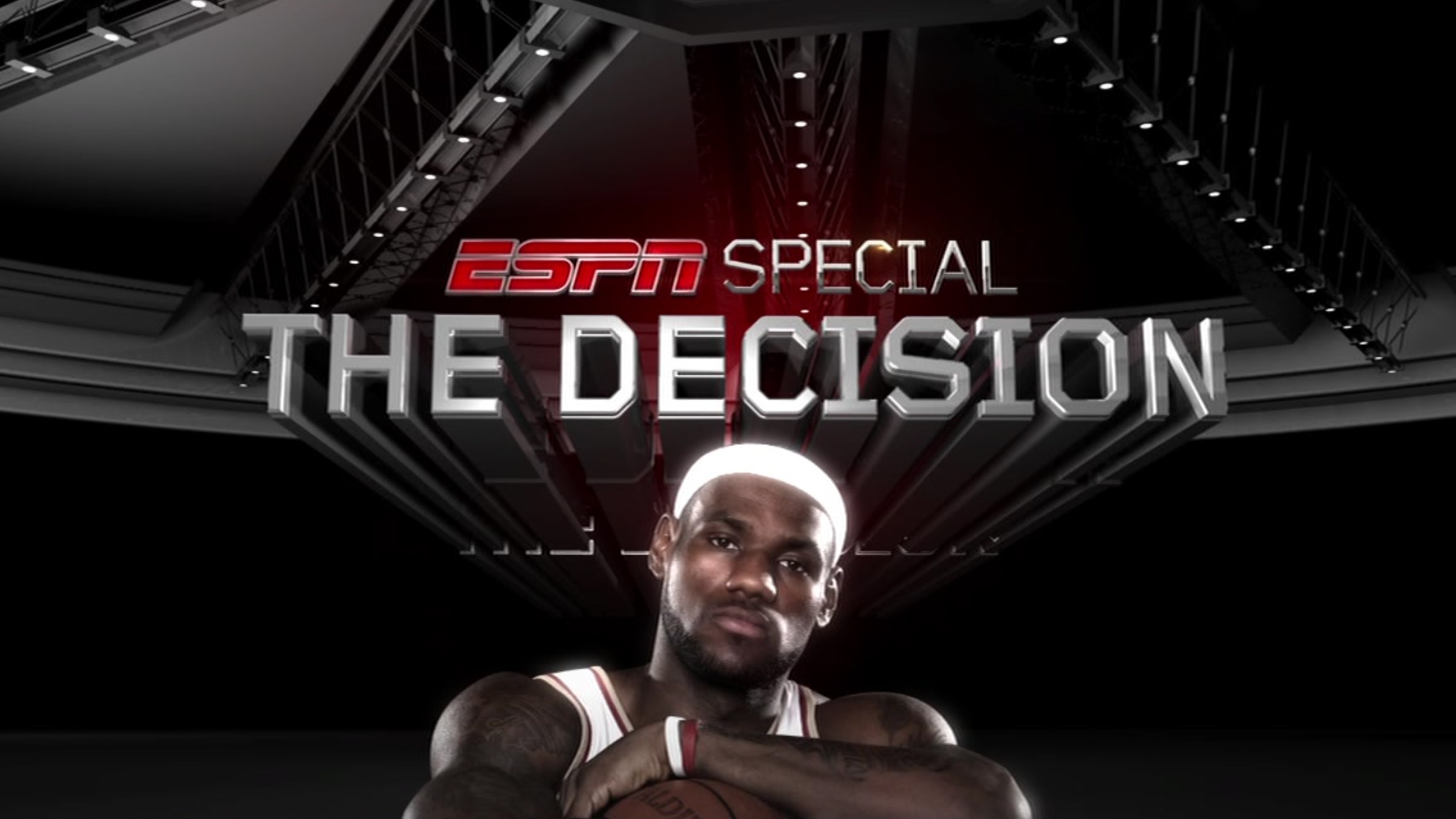
Then LeBron James picked up a phone in the summer of 2010, and everything changed forever.
Welcome to the Super Team Era - where player empowerment meets championship shortcuts, and villainy became a team sport.
🔥 The Decision That Started It All
July 8, 2010. LeBron James, Dwyane Wade, and Chris Bosh didn't just decide to team up. They coordinated their free agencies, structured their contracts, and orchestrated the first player-driven super team.
This wasn't the Celtics trading for Kevin Garnett and Ray Allen. This was three All-Stars in their prime choosing to unite forces in Miami.
The blueprint was established:
- Star players talk to each other
- They pick a destination together
- They take slightly less money to make it work
- Championships become inevitable (or so they think)
LeBron caught all the hate as the face of The Decision. But the concept? That was bigger than one player. That was a paradigm shift.
🏀 The 2008 Celtics: The Prototype
Wait, didn't the Celtics do it first?
Kind of. But there's a crucial difference.
The 2008 Celtics acquired Kevin Garnett (31 years old) and Ray Allen (32) via TRADES. The players didn't force their way there. The front office built it.
Players: "We'll play where you trade us."
Front Office: "We're building a contender."
That's the old way. Management-driven team building.
The Heat? That was player-driven. LeBron, Wade, and Bosh sat down together and decided their futures. Management just had to make it happen.
That's the difference. That's why the Heat were villains and the Celtics (mostly) weren't.
🏆 The Miami Heat: Villains 1.0
The Roster:- LeBron James (25 years old, 2x MVP)
- Dwyane Wade (28, Finals MVP, franchise icon)
- Chris Bosh (26, All-Star, 24 PPG scorer)
"Not one, not two, not three..." - LeBron at the welcome rally
The Reality:- Year 1: Lost to Dallas in Finals (schadenfreude overload)
- Year 2: Beat OKC, won championship
- Year 3: Beat Spurs, won championship
- Year 4: Lost to Spurs in Finals
Two championships in four years. Success by any measure. But also: The villain blueprint was proven to work.
🏀 The Failed Super Teams
Not every super team works. And the failures are almost as entertaining as the successes.
2013 Lakers: The Disaster- Kobe Bryant
- Steve Nash (via trade)
- Dwight Howard (via trade)
- Pau Gasol
- Nash got hurt immediately
- Kobe tore his Achilles
- Dwight and Kobe hated each other
- First round exit
- Kevin Durant
- Kyrie Irving
- James Harden (via trade)
- Kyrie refused COVID vaccine, played part-time
- Harden demanded trade
- Durant demanded trade
- Chemistry disaster
- Zero championships
- James Harden
- Dwight Howard (via free agency)
- Competitive but never championship-level
- Dwight left after one season
- Harden continued team-hopping
🏀 The 2016 Warriors: Taking It Too Far
The Heat proved super teams work. But the Warriors took it to an absurd level.
The Setup:- Warriors just won 73 games (NBA record)
- Warriors have Stephen Curry (back-to-back MVP)
- Warriors have Klay Thompson, Draymond Green
- Warriors already won a championship in 2015
- Warriors lost 3-1 lead in 2016 Finals (to LeBron's Cavs)
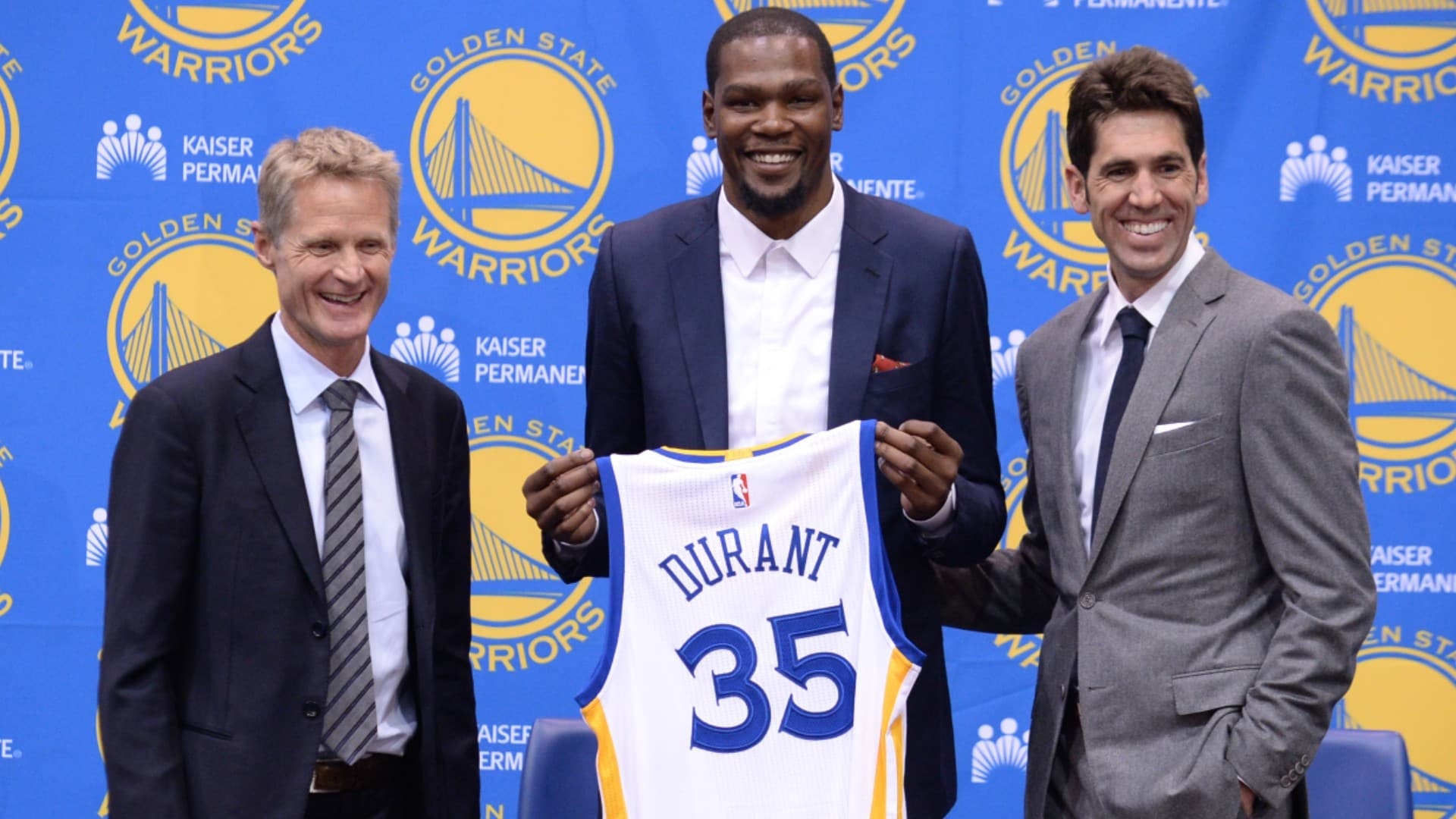
- Kevin Durant joins them in free agency
"Are you kidding me?"
This wasn't building a super team. This was adding a cheat code to an already unfair team.
The Result:- 2017: Warriors win championship easily
- 2018: Warriors win championship easily
- Basketball becomes less competitive
- Everyone hates it
The Warriors became villains not for creating a super team, but for making basketball feel broken.
🔥 The Player Empowerment Movement
The super team era coincided with a massive shift in player power:
Old NBA (pre-2010):- Teams controlled contracts
- Players went where they were traded
- Loyalty was expected
- Championships were built over time
- Players control their destinies
- Players demand trades
- Loyalty is negotiable
- Championships can be assembled quickly
- Players have more control over their careers
- Players can choose their situations
- Player activism and agency increased
- Competitive balance suffers
- Small markets become irrelevant
- Championships feel less earned
- Everyone becomes a villain
🏆 The Anthony Davis Trade: New School Villainy
2019: Anthony Davis forces his way from New Orleans to the Lakers.
The Method:- Publicly demands trade
- Specifies he'll only re-sign with Lakers
- Tanks his trade value for other teams
- Wears "That's All Folks" shirt before final game
- Lakers give up multiple players and picks
- AD joins LeBron
- 2020 Championship (bubble)
Now players don't even wait for free agency. They force trades to create super teams mid-contract.
🏆 The James Harden Saga: Villain Team-Hopping
James Harden's super team journey is a masterclass in modern villainy:
2012-2020: Houston- Great player, no help
- Wants more stars
- Joins KD and Kyrie
- Super team assembled
- Nets imploding
- Joins Embiid
- Another super team attempt
- Sixers won't pay
- Joins Kawhi and Paul George
- Third super team in three years
Keep joining super teams until one works. Loyalty means nothing. Championships are the only currency.
🏀 The Current Landscape (2025)
Where are we now?
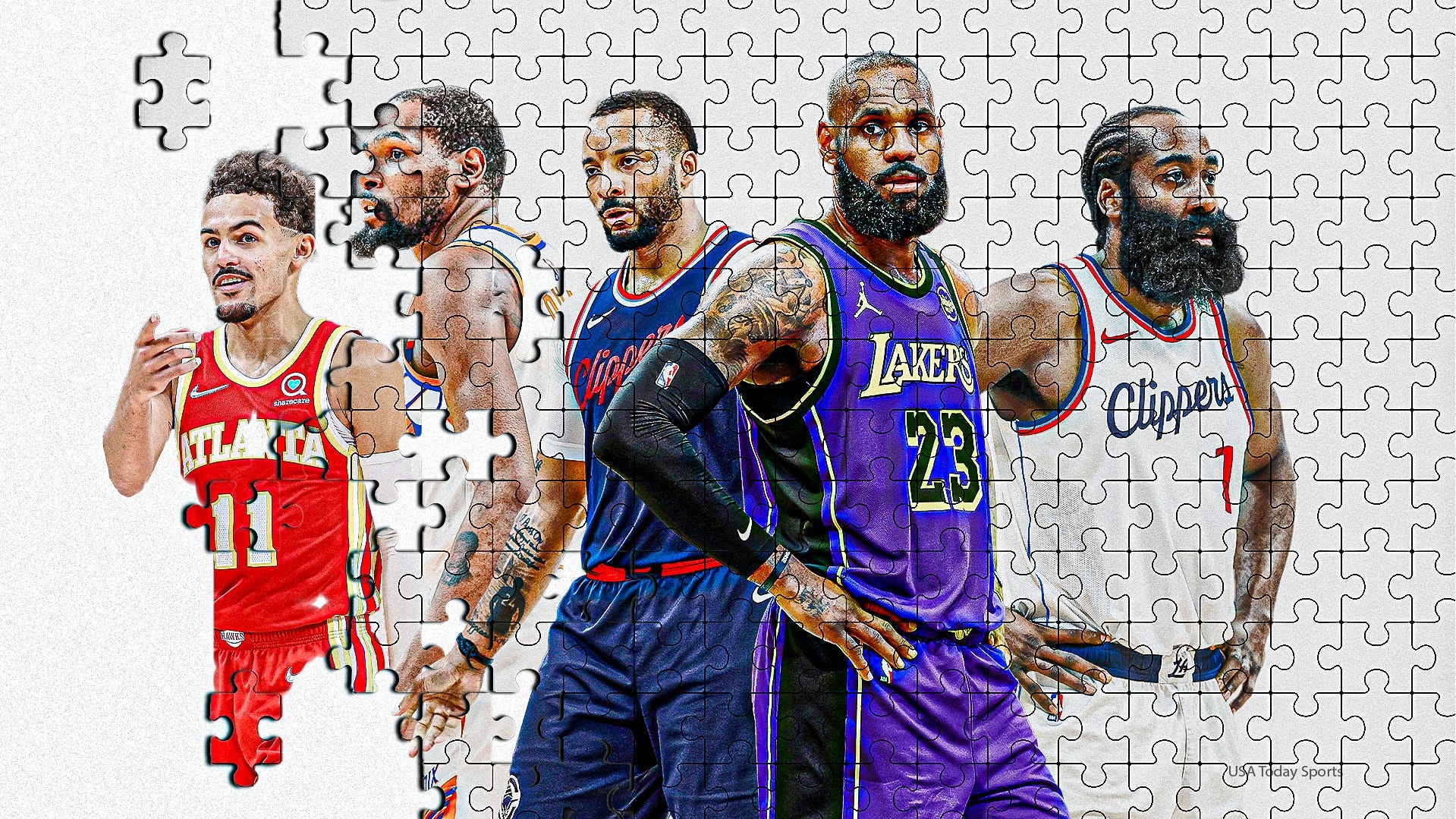
Active Super Teams:- Whoever has 3+ All-Stars this season
- Teams constantly forming and dissolving
- Free agency is appointment television
- Trade demands are normalized
Every star player who changes teams becomes a villain to their former fanbase. The super team era made villainy the default state.
🏀 Why Fans Hate Super Teams
The Competition Argument:"73% of seasons since 2010 were won by super teams. That's not competitive balance."
The Process Argument:"Championships should be built, not bought through free agency."
The Loyalty Argument:"Players don't care about cities or fans anymore. It's all mercenary."
The Parity Argument:"Small markets have zero chance. Why watch if only 4-5 teams can win?"
🔥 Why Players Don't Care About the Hate
The Career Argument:"I have 10-15 years to win. I can't waste time on bad teams."
The Business Argument:"Teams trade players all the time. Why should I be loyal?"
The Legacy Argument:"Championships are all that matter. Nobody cares HOW you win."
The Empowerment Argument:"For decades, teams controlled everything. Now players have power. Deal with it."
🏀 The Unintended Consequences
The super team era created:
More Villains:Every star who changes teams gets hated
Less Drama:When the Warriors had four All-Stars, playoffs felt predetermined
Trade Demands:Players force their way out constantly
Analysis Paralysis:Every offseason is "who's joining forces with who?"
Small Market Despair:Why be a Bucks fan when Giannis might just leave?
⚡ The Championships That Still Count
Not all super team championships feel hollow. Context matters:
2016 Cavaliers:LeBron returned to Cleveland, came back from 3-1 down, beat the 73-win Warriors. Even haters respected that.
2019 Raptors:Kawhi stayed one year, gave Toronto everything, won, then left. That felt earned.
2021 Bucks:Giannis stayed in Milwaukee, built organically, overcame injuries. Pure.
The difference? These felt like TEAM championships, not superstar assemblies.
🏆 The Future of Villainy
Where does this go?
Pessimistic View:Super teams are the new normal. Competitive balance is dead. Every star becomes a villain when they inevitably chase rings.
Optimistic View:The pendulum swings back. Players realize super teams don't guarantee happiness. Staying and building becomes cool again.
Realistic View:It's a mix. Some stars will team up. Some will stay loyal. Fans will hate the team-hoppers and love the loyalists.
🏀 Your Take
Are super teams good for basketball? Should players be able to force trades? Do super team championships count the same as organic ones?
Vote: [Link to poll] Discuss: [Link to comments] ---🏀 The Super Team Hall of Shame
Successful Villains:- 2011-2014 Miami Heat
- 2017-2018 Warriors
- 2020 Lakers (bubble)
- 2013 Lakers
- 2021 Nets
- 2013 Rockets
- Whoever forms next season
- The Decision: When LeBron Changed Everything
- Kevin Durant's Hardest Road: Warriors Edition
- Small Market Survival Guide in the Super Team Era
- Championship Rankings: Which Rings Count Most?