🏀 Why Everyone Hates Charles Oakley: The Enforcer Who Never Backed Down
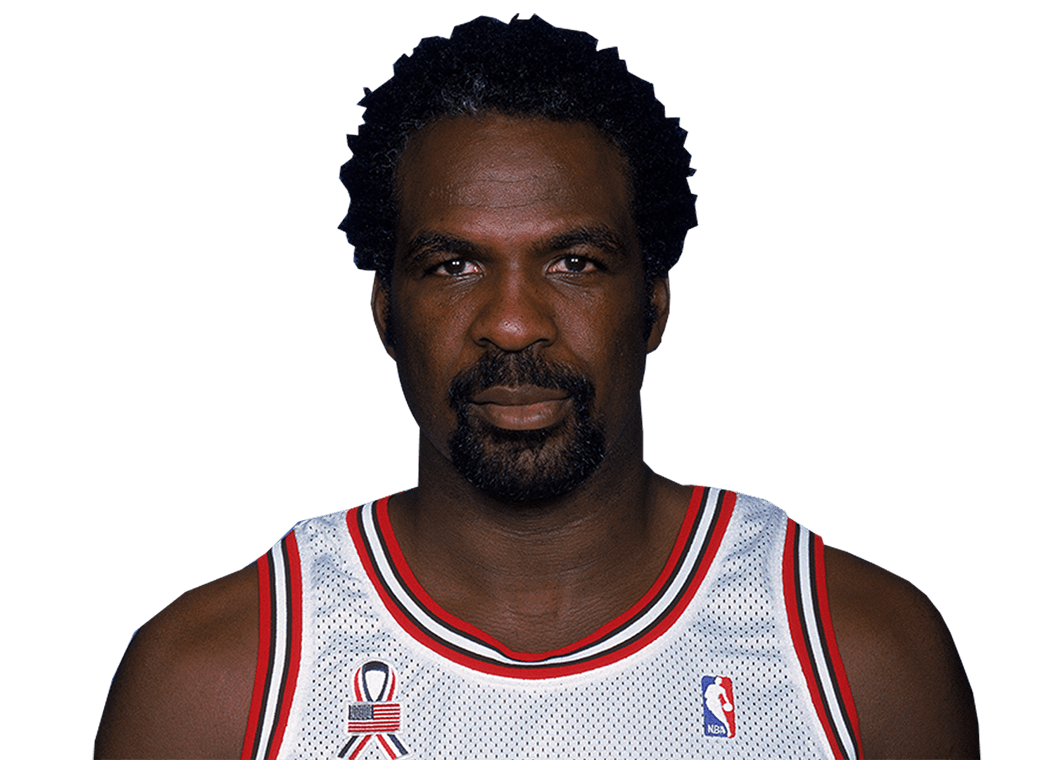
Charles Oakley never averaged 15 points a season, never made an All-NBA team, and never needed to. For 19 years his job was simpler: hurt you before you hurt his guys. He protected Michael Jordan in Chicago, then spent a decade as the muscle behind Patrick Ewing's Knicks — the most physical player on the most physical team of the most physical era the league has ever allowed. If you played against Oakley, you hated him. That was the job description.
The Villain Resume
The 1990s Knicks were built on intimidation, and Oakley was the enforcer-in-chief. He led the league in personal fouls, fought Charles Barkley multiple times — including once in a preseason game and once in a hotel lobby — slapped Jeff McInnis, threw a ball at Tyrone Hill's head over an alleged gambling debt, and kept feuds alive for decades the way other men keep houseplants. His hard fouls were not accidents of effort; they were messages, delivered on schedule. The Bulls-Knicks and Heat-Knicks wars of that decade were defined by bodies hitting the floor, and Oakley was usually the one standing over them.
Even retirement could not mellow him. He kept a running list of players he was still willing to fight, said so in interviews, and meant it. Ask Charles Barkley, whom Oakley has been challenging on and off for thirty years.
The Garden Incident
In 2017, Oakley's villain story took its strangest turn. Sitting a few rows from Knicks owner James Dolan at Madison Square Garden, Oakley was confronted by a phalanx of security guards, shoved back, and dragged out of the building in handcuffs — at the arena where he had bled for ten years. He was charged, banned, and publicly smeared by the franchise. The basketball world's reaction said everything about how perception had changed: the league's old villain was suddenly the sympathetic one, and fans of every team lined up behind him against Dolan.
The Defense
Oakley's brand of villainy was the most honest kind. He never flopped, never sucker-punched, never pretended. He was a tremendous rebounder, a legitimately elite defender, and by every account the best teammate imaginable — the man who picked up every check, defended every rookie, and took on every heavyweight so his stars would not have to. Jordan trusted him. Ewing went to war with him. New York still chants his name.
The Verdict
Charles Oakley is what a villain looks like when the villainy is a job done out of love. Opponents hated him because he was exactly what he promised to be, every single night, for two decades. The Garden may have thrown him out, but the city never did.