🏀 Why Everyone Hates James Harden: The Foul-Baiting King Who Always Leaves
James Harden is one of the most gifted offensive players in NBA history. He is also one of the most divisive. For a decade he put up numbers that belong on a Hall of Fame plaque, yet he is remembered by opposing fans for two things: hunting fouls and forcing his way out of town. The talent was never the question. The way he won — and the way he left — is what made him a villain.
The Villain Resume
Harden built an entire offensive identity around drawing contact. The "rip-through," the leg kick on jump shots, the lunge into defenders — for years he turned free throws into an art form, leading the league in attempts season after season. Fans accused him of weaponizing the rulebook rather than beating defenders. The NBA eventually changed its rules specifically to discourage the kind of non-basketball moves Harden had perfected, an unofficial acknowledgment that one player had broken the game.
Then there was the step-back. Defenders and fans spent years insisting it was a travel. Officials let it slide. The debate became a nightly argument, and Harden was at the center of it, smirking his way to 30 points a night.
The Exits
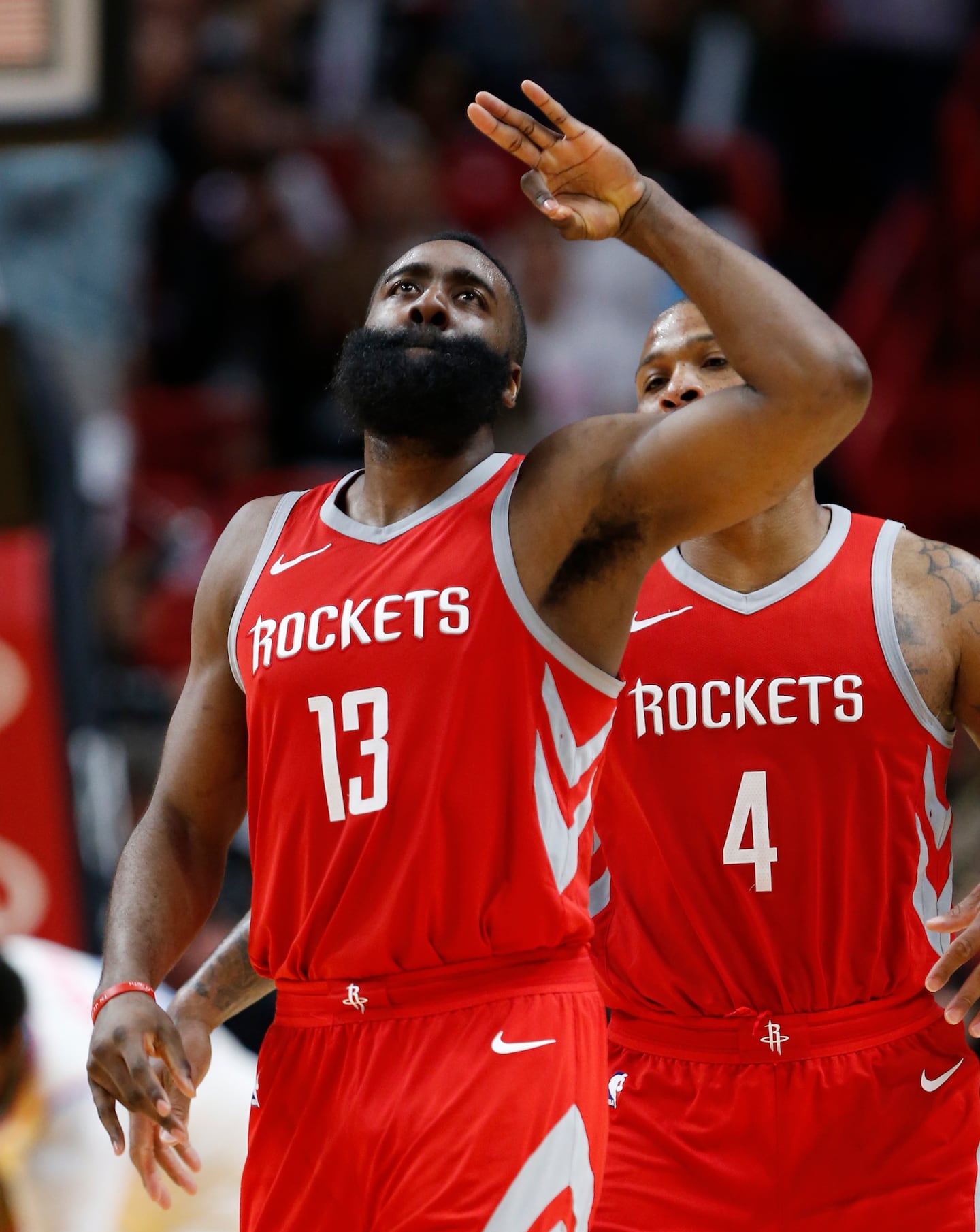
What truly cemented Harden's villain status was his pattern of forcing his way out of every team that committed to him. In Houston, after years as the franchise cornerstone, he showed up to training camp out of shape, publicly declared the team "not good enough," and bulldozed his way to a trade. The man who once said he wanted to be a Rocket for life left scorched earth behind him.
In Brooklyn, the super-team he engineered with Kevin Durant and Kyrie Irving lasted barely a year before Harden again grew unhappy and demanded out. In Philadelphia, he opted into a deal, feuded publicly with general manager Daryl Morey — the same executive who had championed him for years — and famously called Morey "a liar" at a promotional event in China. Another trade demand followed. The cycle had become a brand.
The Playoff Disappearances
For all his regular-season brilliance, Harden developed a reputation for shrinking in the biggest moments. Game 6 against Golden State. The 2-for-11 elimination game in Philadelphia. The postseason became a recurring stage for "Playoff Harden," a punchline about a superstar who could not deliver when it mattered most. Fair or not, the label stuck, and it gave critics all the ammunition they needed.
The Defense
Here is the truth opposing fans hate to admit: James Harden is brilliant. His 2017-18 MVP season was a masterpiece, and his peak Houston years produced some of the most efficient high-volume scoring the league has ever seen. He led the NBA in assists late in his career, reinventing himself as a playmaker when his explosiveness faded. Drawing fouls is a skill, and exploiting the rules as written is not cheating — it is intelligence.
As for the exits, players have every right to control their careers, just as franchises have always controlled players. Harden simply used his leverage the way stars before him wished they could.
The Verdict
James Harden's legacy is a paradox: a top-tier offensive genius whose style and decisions alienated nearly everyone outside his own locker room. The numbers say superstar. The reputation says mercenary. Until he wins the ring that has eluded him, the foul-baiting and the trade demands will define The Beard more than any scoring title ever could.