🏆 The Decision: How LeBron James Became the NBA's Ultimate Villain
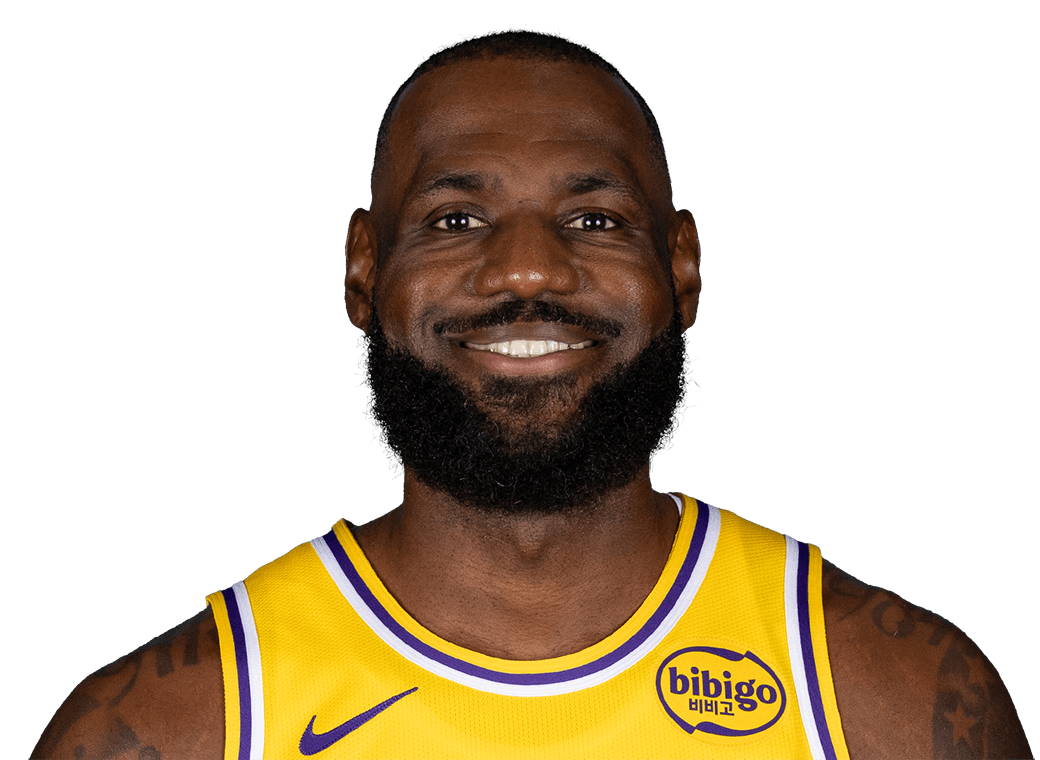
Before July 8, 2010, LeBron James was the most beloved basketball player on the planet. The kid from Akron who had been drafted first overall by his hometown Cleveland Cavaliers at age 18, who had carried a mediocre roster to the NBA Finals, who had delivered jaw-dropping highlight after highlight for seven seasons. Then, in the span of one hour-long television special, he became the most hated man in sports.
The Setup
The summer of 2010 was supposed to be the greatest free agency period in NBA history. LeBron James, Dwyane Wade, and Chris Bosh were all available, and every franchise with cap space made their pitch. The New York Knicks cleared their entire roster. The New Jersey Nets offered a blank check. The Chicago Bulls presented analytics showing LeBron and Derrick Rose could dominate for a decade.
But behind the scenes, LeBron, Wade, and Bosh had been coordinating. They had discussed teaming up as far back as the 2008 Olympics in Beijing. By the time the meetings started, the outcome was likely already decided. The spectacle of The Decision was just that — a spectacle.
July 8, 2010
LeBron chose to announce his decision on a live ESPN special hosted by Jim Gray, broadcast from the Boys and Girls Club in Greenwich, Connecticut. The entire basketball world tuned in. And then, nine minutes and twenty-two seconds into the broadcast, LeBron uttered the words that would define his legacy for years:
"I'm going to take my talents to South Beach and join the Miami Heat."
The reaction was immediate and volcanic. In Cleveland, fans gathered in the streets burned LeBron jerseys. Cavaliers owner Dan Gilbert published an open letter in Comic Sans font calling LeBron a coward, a quitter, and a narcissist. He promised Cleveland would win a championship before LeBron ever would. Sports radio erupted. Social media — still in its relative infancy — melted down.
Why It Cut So Deep
The betrayal felt personal for several reasons. First, LeBron was supposed to be different. He was the hometown hero, the chosen one, the kid who had "CHOSEN 1" tattooed on his back. Leaving Cleveland for Miami felt like abandoning everything he was supposed to represent.
Second, the television special was perceived as cruel and self-indulgent. Rather than quietly informing the Cavaliers and signing with Miami, LeBron turned his departure into a prime-time event. Cleveland fans had to watch their star leave in real time, surrounded by cameras capturing their devastation. The spectacle made the pain worse.
Third, joining Dwyane Wade and Chris Bosh in Miami was seen as taking the easy way out. LeBron was supposed to be the best player in the world — why did he need two other All-Stars to win a championship? The counter-argument was that Michael Jordan never needed to join his rivals. Fair or not, that comparison haunted LeBron for years.
The Miami Villain Era
LeBron leaned into the villain role initially. At the introductory rally in Miami, he stood on stage and predicted "not one, not two, not three, not four, not five, not six, not seven" championships. The arrogance was breathtaking, and it gave his haters endless ammunition.
The first season ended in failure — a stunning loss to the Dallas Mavericks in the 2011 Finals where LeBron disappeared in the fourth quarter. The schadenfreude was overwhelming. Every person who had burned a jersey felt vindicated. LeBron's villain arc had reached its lowest point.
But then he won. Back-to-back championships in 2012 and 2013, including one of the greatest Finals performances ever against the San Antonio Spurs. The hate softened but never disappeared. LeBron had proven he could win in Miami, but the stain of The Decision was permanent.
The Return and Redemption
In 2014, LeBron returned to Cleveland. This time, he wrote a heartfelt essay in Sports Illustrated titled "I'm Coming Home." The city forgave him — mostly. And in 2016, when he led the Cavaliers back from a 3-1 deficit to beat the 73-win Warriors and deliver Cleveland its first major championship in 52 years, the redemption arc was complete.
Or was it? LeBron later left for the Los Angeles Lakers, formed another super team, and continued the pattern that The Decision had established. For many fans, the villain label stuck. The Decision was not just a moment — it was the beginning of a new era in the NBA, one where player empowerment and super teams became the norm.
The Legacy of The Decision
Love him or hate him, LeBron James changed professional sports on July 8, 2010. Every player who has forced a trade, teamed up with rivals, or controlled their own narrative owes a debt to The Decision. It was the moment the NBA's power shifted from owners to players — and the moment LeBron James became the ultimate villain.